
Understanding the Average Roof Replacement Cost: A Comprehensive Guide
Understand the average roof replacement cost. Explore factors like materials, labor, and regional differences to budget wisely for your new roof.
Getting a new roof is a big deal for any homeowner, and figuring out the average roof replacement cost can really help you plan things out. This guide is here to break down all the numbers and options, so you know what you're looking at when it comes to actual costs, how different materials add up, and what goes into the whole project.
Key Takeaways
- The average roof replacement cost can swing quite a bit, usually falling between $8,900 and $29,500, depending on what materials you pick, how big your roof is, and where you live.
- Asphalt shingles are a popular and budget-friendly choice, typically costing around $5,840 to $10,100 for a replacement. Other materials like metal or tile will cost more upfront.
- When you're budgeting for a new roof, don't forget to factor in not just the materials and labor, but also things like permits and any unexpected repairs that might pop up.
- The size and steepness of your roof, along with its overall design complexity, directly impact how much labor will cost.
- To save money without skimping on quality, consider getting quotes from several contractors, looking into cost-effective materials, and maybe even timing your project for the off-season.
Key Elements That Determine the Average Roof Replacement Cost
Replacing your roof is a big deal, and figuring out the cost can feel like a puzzle. Several things really shake up the final price tag, so knowing them beforehand helps a lot. It’s not just about slapping on some new shingles; there’s more to it.
Size and Pitch of the Roof
First off, how big is your roof? A bigger roof naturally needs more materials and takes more time to cover, so that’s a direct cost increase. Then there’s the pitch, or how steep it is. A really steep roof isn't just harder to walk on; it’s also more dangerous for the crew. This means they have to take extra safety measures, which adds to the labor time and cost. Flat roofs can also be tricky, sometimes needing special materials or installation methods that cost more.
Material Choices Impacting Cost
What you decide to cover your roof with makes a huge difference. Asphalt shingles are usually the most budget-friendly option. They’re common for a reason! But if you’re looking for something that lasts longer or has a different look, materials like metal, tile, or even slate can cost a lot more upfront. Think about it like buying a car – a basic model versus a luxury one. Both get you from point A to point B, but the price is way different.
Role of Roof Complexity and Structure
Beyond just size and material, the actual design of your roof plays a part. Does it have a lot of angles, valleys, or dormers? These features mean more cuts, more flashing, and more detailed work for the installers, which bumps up the labor cost. Also, the condition of the roof structure underneath matters. If the old decking is rotten or damaged, it needs to be fixed or replaced before the new roof goes on. This can be a surprise cost, but it’s important for the roof’s long-term health.
The condition of the underlying structure is often a hidden factor. What looks okay from the outside might need significant repair once the old roofing is removed, leading to unexpected expenses.
Here’s a quick look at how different materials can stack up:
| Material Type | Estimated Lifespan (Years) | Typical Cost Range (per sq ft) |
|---|---|---|
| Asphalt Shingles | 15-30 | $4 - $7 |
| Metal Roofing | 40-70 | $7 - $15 |
| Tile (Clay/Concrete) | 50+ | $10 - $20 |
| Slate | 75-150+ | $15 - $30 |
Material Selection and Its Effect on Roof Replacement Cost
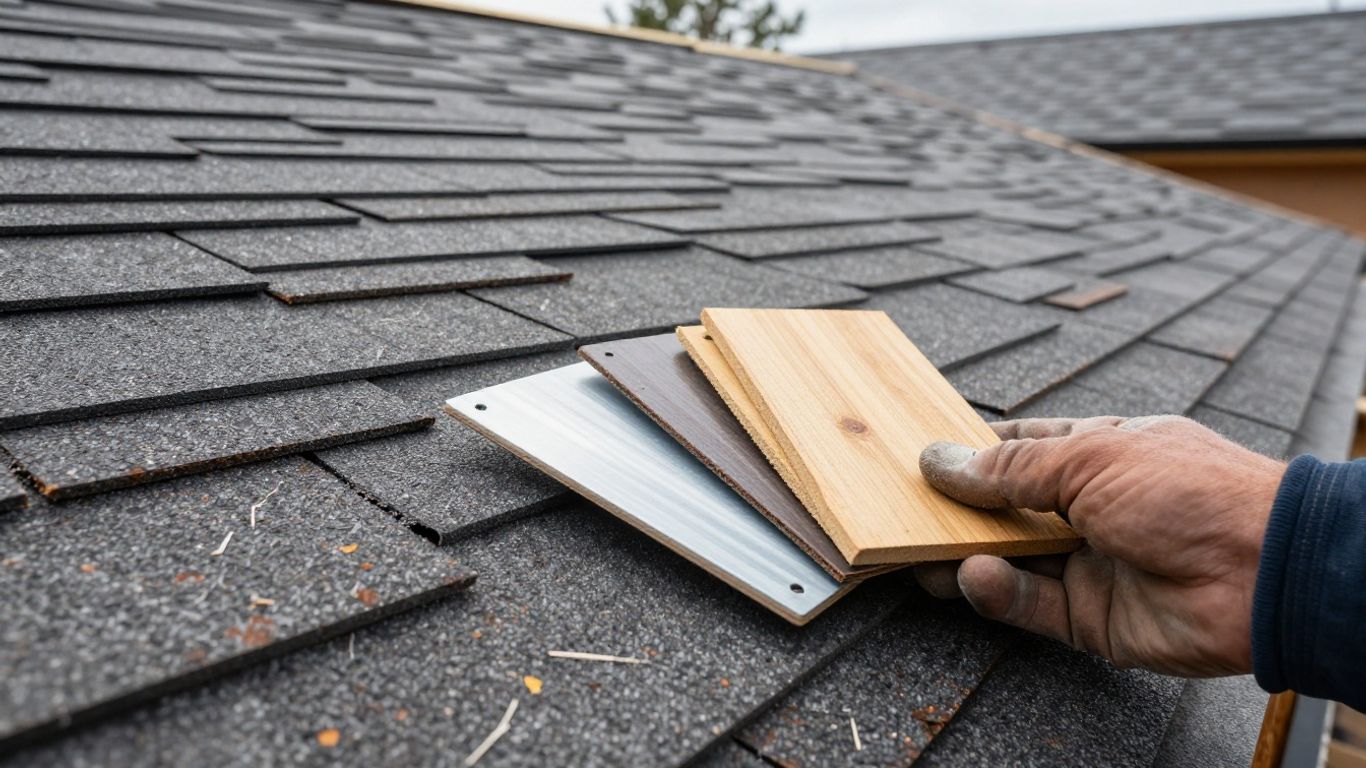
When you're looking at replacing your roof, the materials you pick play a huge role in how much the whole thing ends up costing. It's not just about how it looks, but also how long it'll last and how much upkeep it'll need down the road. Think of it like buying a car – a basic sedan is way cheaper than a luxury SUV, but they serve different purposes and last different amounts of time.
Comparing Common Roofing Materials
There are a bunch of options out there, each with its own price tag and set of pros and cons. Asphalt shingles are usually the go-to for many homeowners because they're generally the most budget-friendly. They're easy to install and come in lots of colors. On the other end of the spectrum, you've got materials like metal, tile, or slate. These tend to cost more upfront, but they can last a really long time and hold up better against tough weather.
Here's a quick look at some popular choices:
- Asphalt Shingles: The most common and affordable option. Lifespan typically 15-30 years.
- Metal Roofing: Durable and long-lasting, often lasting 50-75 years. Can be more expensive initially.
- Wood Shingles/Shakes: Offer a natural look but require more maintenance and can be a fire risk. Lifespan around 20-25 years.
- Tile (Clay/Concrete): Very durable and fire-resistant, but heavy and can be costly. Lifespan 50+ years.
- Slate: Extremely durable and beautiful, but very heavy and expensive. Can last 100+ years.
Longevity and Value of Roof Types
So, you've got your basic asphalt shingles, which are great if you're on a tight budget or don't plan on staying in the house for decades. But if you're looking for something that will protect your home for a really long time and potentially add more value, you might want to consider those pricier options. Metal roofs, for example, can last two or three times as long as asphalt shingles. That means you might pay more now, but you could save money in the long run by not having to replace it as often.
The upfront cost of a roofing material is only one piece of the puzzle. You also need to think about how long it's expected to last and how much maintenance it will need over its lifetime. Sometimes, spending a bit more initially can save you a lot of headaches and money down the line.
How Material Lifespan Impacts Investment
When you're thinking about the total cost of a roof replacement, it's really about the long-term investment. A roof that costs $10,000 but only lasts 15 years is going to cost you more per year than a roof that costs $20,000 but lasts 50 years. It’s like buying a cheap tool that breaks quickly versus a quality one that lasts forever. You've got to weigh the initial hit to your wallet against the peace of mind and reduced future expenses that a longer-lasting material can provide. Plus, a newer, more durable roof can make your home more attractive to buyers if you decide to sell.
Understanding Labor and Contractor Charges in Roof Replacement
When you're looking at the total bill for a new roof, a big chunk of that is going to be for the people doing the work and the company they work for. It's not just about the shingles or metal panels; it's about the skill and time it takes to get them on your house properly.
Labor as a Major Part of Total Cost
Think of labor costs as the engine of your roof replacement project. They often make up a significant portion, sometimes 40% to 60%, of the entire expense. This isn't just random pricing; it reflects the expertise needed to handle different roofing materials, navigate tricky roof designs, and ensure everything is installed safely and up to code. A simple, low-slope roof might not take as long as a steep, multi-faceted one, and that difference in time directly impacts the labor charges. Plus, you've got to consider that roofing crews are often dealing with tough conditions, working at heights, and hauling heavy materials. It's skilled work that requires experience.
How Roof Design Affects Installation Charges
The shape and angle of your roof play a surprisingly big role in how much you'll pay for labor. A straightforward gable roof is usually less work than a roof with lots of hips, valleys, dormers, or skylights. These more complex designs mean more cuts, more flashing to install around every edge and opening, and more time spent making sure water runs off correctly. It's like building with LEGOs versus carving a sculpture – one is more straightforward. More angles and intersections also mean more potential for material waste, which can indirectly increase labor costs as crews spend more time figuring out how to best use materials.
Choosing a Reliable Roofing Contractor
Finding the right contractor is almost as important as picking the right materials. You want someone who knows what they're doing, shows up on time, and communicates clearly. Getting quotes from at least three different companies is a smart move. This lets you compare not just prices, but also what's included in their service. Look for contractors who are licensed and insured – that's a basic sign they're legitimate. Checking reviews and asking for references can give you a good sense of their past work and how they treat their customers. A good contractor will also be upfront about potential extra costs, like permits or unexpected repairs needed once they start tearing off the old roof.
The total cost of a roof replacement isn't just the price tag on the materials. It's a combination of skilled labor, the complexity of your home's design, and the professionalism of the company you hire. Don't be afraid to ask questions and get everything in writing before work begins.
Additional Expenses to Consider Beyond the Average Roof Replacement Cost
So, you've got a ballpark figure for your new roof, right? That's great, but hold on a sec. There are a few other things that can sneak into the final bill, things that aren't always front and center when you're getting quotes. It's like when you buy a new phone and forget to factor in the case and screen protector – suddenly, the total is higher than you thought.
Permit and Inspection Fees
Most towns and cities require you to get a permit before you start a big project like a roof replacement. This is basically the government saying, "Okay, go ahead, but we want to make sure it's done safely and up to code." The cost for these permits can really vary depending on where you live. Some places might charge a flat fee, while others base it on the project's value. You'll also likely need inspections along the way to make sure everything's on the up and up.
- Permit Fees: Typically range from $100 to $500, but can be higher in some areas.
- Inspection Fees: Often included in the permit cost, but sometimes separate.
- Building Code Updates: If your old roof doesn't meet current codes, you might need to pay for upgrades.
Costs for Tear-Off and Debris Removal
Unless you're just doing a simple repair, your contractor will probably need to remove the old roofing materials first. This process is called a "tear-off." It's not just about ripping off shingles; it involves hauling away all that old stuff – shingles, underlayment, maybe even some rotten wood. This takes time and labor, and there's a cost associated with disposing of the debris properly. Some contractors include this in their main quote, but others might list it separately. It's worth asking about.
| Service | Estimated Cost Range (per sq ft) |
|---|---|
| Tear-off Labor | $1.00 - $5.00 |
| Dumpster Rental | $300 - $600 |
| Landfill/Disposal Fees | $50 - $200 |
Addressing Underlying Repairs and Upgrades
This is where things can get a bit unpredictable. Once the old roof is off, your contractor can see the condition of the roof deck (that's the plywood or OSB underneath the shingles) and the framing. If there's any water damage, rot, or structural issues, you'll need to fix it before putting on the new roof. This is super important because a new roof on a bad foundation won't last. You might also consider upgrades at this stage, like adding more ventilation or replacing old, leaky skylights.
Sometimes, what looks like a straightforward roof replacement can uncover hidden problems. Things like water-damaged decking or weakened structural supports aren't always visible until the old layers are removed. Addressing these issues upfront, though it adds to the cost, is critical for the longevity and integrity of your new roof.
- Rotten Decking: Replacing damaged sections of plywood or OSB.
- Structural Reinforcement: Strengthening rafters or trusses if needed.
- Ventilation Improvements: Adding ridge vents or soffit vents for better airflow.
- Flashing Repairs: Replacing or upgrading flashing around chimneys, vents, and valleys.
- Skylight Replacement: If your skylights are old or leaking, now's a good time to swap them out.
Regional and Seasonal Factors That Influence Roof Replacement Pricing
You know, the price tag on a new roof isn't just about the shingles and the guys installing them. Where you live and when you get the work done can really shake things up. It’s like buying anything else – sometimes you pay more, sometimes less, depending on the circumstances.
Geographic Variations in Cost
Prices for pretty much everything, including roofing, tend to be higher in big cities or areas where the cost of living is just generally more expensive. Think about it: if rent is sky-high for contractors, they've got to charge more to cover their overhead. Plus, some regions have different building codes or might require specific materials to handle extreme weather, which can add to the bill. It’s not uncommon to see a significant difference in quotes for the exact same job just by crossing a state line or two.
Here’s a rough idea of how location can play a role:
- Major Metropolitan Areas: Expect higher prices due to increased labor and operational costs.
- Rural Areas: Often more affordable, but contractor availability might be lower.
- Coastal Regions: May have higher costs due to the need for weather-resistant materials and stricter building codes.
- Areas Prone to Severe Weather: Costs can increase due to demand for specialized, durable materials.
Timing Your Project for Savings
When you decide to get your roof replaced can make a difference. Most people want their roof done when it’s nice out, usually in the summer or early fall. This is when roofers are busiest, and they can charge a premium because they know you’ve got options, but they’re in high demand. If you can swing it, looking at the "off-season" – think late winter or early spring – might get you a better deal. Contractors might be looking for work and could be more willing to negotiate on price to keep their crews busy.
- Peak Season (Summer/Early Fall): Highest demand, potentially higher prices.
- Shoulder Seasons (Spring/Late Fall): Moderate demand, prices may be more flexible.
- Off-Season (Late Winter): Lowest demand, best potential for savings.
Waiting for the right moment can sometimes mean paying less for the same quality of work. It’s a balancing act between when you need it done and when it’s most affordable to get it done.
Local Labor Market Fluctuations
Just like any job, the availability of skilled roofers in your specific area matters. If there’s a shortage of experienced roofing crews, you’ll likely see prices go up. Conversely, if there are plenty of contractors looking for work, you might find more competitive pricing. It’s always a good idea to get a few quotes from different local companies. This not only helps you compare prices but also gives you a feel for the local market and what a fair price looks like right now, in your neighborhood.
Saving Money Without Compromising the Quality of Roof Replacement
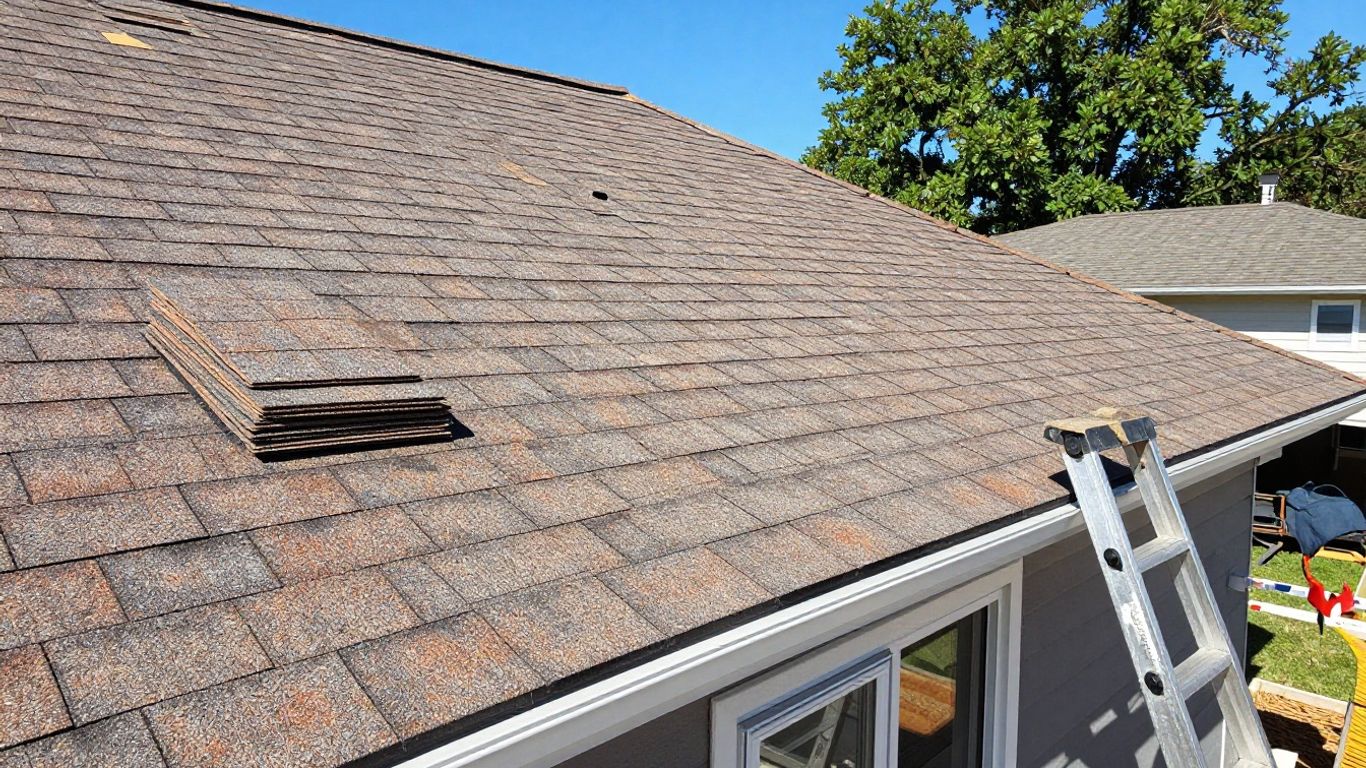
Getting a new roof is a big deal, financially speaking. Nobody wants to overpay, but you also don't want to cut corners and end up with a leaky mess a few years down the road. The good news is, there are smart ways to save some cash without sacrificing the quality of your roof.
Selecting Cost-Effective Materials
While some materials might have a higher sticker price upfront, thinking about their lifespan can actually save you money in the long run. Asphalt shingles are usually the most budget-friendly option to start with. However, if you're planning to stay in your home for a long time, materials like metal or certain types of composite shingles might be worth the extra initial investment. They last much longer, meaning you won't have to worry about replacing them again for decades. It's all about balancing that initial cost with how long the roof will protect your home.
Obtaining Competitive Contractor Quotes
This is a big one. Don't just call the first roofer you find. Getting at least three to five detailed quotes from different, reputable contractors is key. Ask for a full breakdown of what's included – materials, labor, tear-off, disposal, permits, everything. This lets you compare apples to apples and spot any significant price differences. It also gives you some room to negotiate. If one quote is much higher than the others, ask them why. Sometimes, they might be able to match a competitor's price or explain what extra value they're providing.
Exploring Financing and Incentive Options
Sometimes, even with careful planning, a full roof replacement is a significant expense that hits the budget hard. Look into financing options. Many roofing companies offer payment plans, or you might qualify for a home improvement loan. Also, check if there are any local or federal incentives, tax credits, or rebates available for certain types of roofing materials or energy-efficient upgrades. These can sometimes shave a surprising amount off the total cost.
It's easy to get caught up in just the lowest price, but remember that a roof is a major investment in your home's protection and value. Sometimes, paying a little more upfront for better materials or a more experienced crew can prevent much larger, more expensive problems down the line. Think of it as investing in peace of mind.
Repairs Versus Full Replacement: Making Financially Strategic Decisions
Deciding whether to patch up your current roof or go for a whole new one can feel like a big puzzle. It's not always straightforward, and honestly, sometimes you just need a pro to look at it. But understanding the basics can help you make a smarter choice for your wallet and your home.
When Roof Repair Is Sufficient
Sometimes, a few targeted fixes are all that's needed to keep your roof in good shape for a while longer. Think of it like getting a tune-up for your car instead of buying a new one. If you're seeing things like shingles that are curling up at the edges, or if some shingle tabs look a bit cupped, that's often a sign that repairs might do the trick. Granule loss, where you see bare spots on the shingles, also points towards repairability. Even those dark streaks from algae can usually be cleaned or treated without replacing the whole roof. Catching these issues early is key to keeping costs down.
Cost Comparison: Repair vs. Replacement
It's pretty simple: repairs usually cost less upfront. You're just fixing a specific problem. A full replacement, though, is a much bigger project with a higher initial price tag. However, if your roof is old and has multiple problems, a replacement might actually save you money in the long run. You won't be calling for repairs every few months, and you'll get a brand-new roof with a fresh warranty. It's about looking at the total cost over time, not just the bill you get today.
Here's a general idea:
| Scenario | Typical Action | Estimated Cost Range |
|---|---|---|
| Minor shingle damage | Repair | $300 - $1,000 |
| Small leak | Repair | $400 - $1,500 |
| Widespread damage | Replacement | $8,000 - $20,000+ |
| Roof nearing end-of-life | Replacement | $8,000 - $20,000+ |
Note: These are rough estimates and can vary widely based on location, materials, and contractor.
Signs It’s Time for a Full Roof Replacement
If your roof is showing some serious wear and tear, it might be time to consider a full replacement. How old is your roof? Most asphalt shingle roofs last about 15-20 years. If yours is pushing 20 or more, it's probably on its last legs. Look for widespread issues like numerous missing shingles, significant sagging in the roof structure (which could mean problems with the decking underneath), or if you're dealing with leaks in multiple areas. A roof that's constantly needing minor fixes is often a sign that the whole system is failing. It's often more economical to invest in a new roof once and for all rather than keep patching an aging structure.
When a roof is old and showing signs of significant wear, or if it has suffered major damage from a storm, a full replacement often makes more financial sense. Trying to repair a roof that's past its prime can lead to ongoing issues and mounting costs. It's better to address the underlying problems and get a reliable, long-lasting solution.
- Age: Roofs over 20 years old are prime candidates for replacement.
- Damage Extent: Widespread missing shingles, rot, or structural sagging.
- Frequent Repairs: If you're constantly calling for minor fixes, it's a sign of a bigger problem.
- Underlying Issues: Sagging or soft spots in the roof deck usually require replacement.
Wrapping Things Up
So, getting a new roof is definitely a big deal, and the cost can seem like a lot at first glance. But, as we've seen, there are tons of things that play into that final number, from the kind of shingles you pick to how steep your roof is. It’s not just about the price tag today, but also about how long that roof will last and how much it protects your home down the road. Taking the time to get a few quotes, understand what you're paying for, and choosing a contractor you trust can make a huge difference. It’s an investment, for sure, but a well-done roof means peace of mind for years to come.
Frequently Asked Questions
What's the typical price range for replacing a roof?
Replacing a whole roof can cost anywhere from about $8,900 to nearly $30,000. The final price really depends on the size of your roof, what kind of materials you pick, and where you live. Simple asphalt shingles are usually on the lower end, while fancier options like metal or slate can push the price up quite a bit.
How do the materials I choose affect the cost?
The type of material you select is a big deal for the cost. Asphalt shingles are generally the cheapest and most common. Metal roofs, tile, or slate are more expensive upfront but can last much longer. Think about how long you want the roof to last and how much maintenance you're willing to do when making your choice.
Why is labor such a big part of the total cost?
Labor costs often make up about 40% to 60% of the total price. This is because putting on a new roof takes a skilled team, a lot of time, and involves safety measures, especially on steep or complex roofs. The harder the job is to do, the more you'll pay for the workers.
Are there other costs besides the materials and labor?
Yes, there are! You'll likely need to pay for permits and inspections, which can add a few hundred dollars. Also, if the old roof needs to be completely removed, that's an extra charge. Sometimes, the roof's wooden base (the deck) might be damaged and need repairs, which adds to the bill too.
Does where I live change how much a new roof costs?
Absolutely. Prices for roofing can be quite different depending on your location. Things like local labor rates, how easy it is to get materials, and even local building rules can make costs go up or down. So, what costs $10,000 in one town might cost $15,000 in another.
How can I save money on a roof replacement?
To save money, try to schedule your roof replacement during the off-season, like late winter or early spring, when contractors might offer lower prices. Also, get quotes from at least three different reputable companies to compare their prices and what they include. Choosing a slightly less expensive but still good-quality material can also help.