
Get Accurate Roofing Quotes in Tulsa: Your Guide to Local Pricing
Get accurate roofing quotes in Tulsa. Learn about pricing factors, contractor evaluation, and Tulsa-specific considerations for your roofing project.
Getting roofing quotes in Tulsa can feel like a puzzle. You want to know you're getting a fair price for good work, but there are so many things that can change the cost. From the shingles on your roof to the slope of your house and even the weather we get here in Oklahoma, it all adds up. This guide is here to help you sort through it all, so you can get accurate roofing quotes and feel good about your choice.
Key Takeaways
- The price of roofing quotes in Tulsa depends on a lot of things, like the materials you pick (asphalt shingles are cheaper than metal, for example), how steep your roof is, and how easy it is for workers to get around. Don't forget about the quality of the installation itself – a good job now saves headaches later.
- A good roofing estimate should clearly list everything: the exact materials, the labor involved, any permit fees, and cleanup costs. This way, you know what you're paying for and can easily compare different offers to get the best roofing quotes.
- When you're looking for roofing quotes, check out local contractors. See if they have good reviews, if they're properly licensed and insured, and if they communicate well. Experience in Tulsa means they know our weather and building rules.
- Tulsa's weather, like strong winds and hail, can really affect your roof. Also, Oklahoma has its own building rules that contractors need to follow. These local factors play a part in how much your roofing quotes will be.
- Think about the whole picture when you get roofing quotes. Compare not just the price, but also the lifespan of different materials, what warranties are offered, and if financing is available. Sometimes, spending a bit more upfront for a better roof or a longer warranty saves you money in the long run.
Understanding Factors That Influence Roofing Quotes
When you're getting quotes for a new roof or repairs in Tulsa, you'll notice that prices can really vary. It's not just about the size of your house; a bunch of things play into how much a roofer will charge. Understanding these factors helps you make sense of the numbers you get and why one quote might be higher than another.
Material Choices and Their Impact on Pricing
The stuff your roof is made of is a big deal for the cost. You've got options, and they all come with different price tags and lifespans. Think about it like buying a car – a basic model is cheaper than one loaded with all the bells and whistles.
- Asphalt Shingles: These are the most common and usually the most budget-friendly. They come in different grades, with architectural shingles costing a bit more than the standard 3-tab ones but offering better durability and a nicer look.
- Metal Roofing: Metal roofs, like standing seam or corrugated panels, are more expensive upfront. However, they tend to last much longer and can be more energy-efficient, potentially saving you money over time.
- Other Materials: Things like tile, slate, or wood shakes are typically the priciest options, often reserved for specific architectural styles. They offer unique aesthetics but come with a significant investment.
The quality and type of materials you choose will directly affect the overall price of your roofing project.
Labor and Installation Quality Considerations
Beyond the materials, the people doing the work are a huge part of the cost. You want experienced, skilled roofers, and that kind of work isn't always the cheapest. A good crew knows how to install everything correctly, which means your roof will last longer and perform better.
- Crew Experience: A seasoned team that's worked together for a while can often complete a job faster and with fewer mistakes than a less experienced crew.
- Specialized Skills: Some roofs might require special techniques or equipment, especially if they're steep or have complex features. This can add to labor costs.
- Safety Measures: Proper safety protocols, like fall protection, are non-negotiable. While they add to the roofer's overhead, they're vital for protecting the workers and preventing accidents.
A lower bid might seem attractive, but it's worth asking what corners might be cut. Sometimes, the cheapest option ends up costing more down the road due to poor installation or subpar materials.
Roof Pitch, Geometry, and Accessibility
How your roof is shaped and how easy it is to get to also impacts the quote. A simple, low-slope roof on a ranch-style house is much easier and faster to work on than a multi-story home with lots of dormers, valleys, and steep angles.
- Pitch (Steepness): Steeper roofs require more safety precautions and can be slower to work on, increasing labor time.
- Geometry (Complexity): Roofs with many angles, valleys, hips, and skylights take more time for precise cutting and fitting of materials.
- Accessibility: If the roof is hard to get to – maybe due to tight spaces, delicate landscaping that needs protection, or overhead obstructions – it can add time and cost for setup, material staging, and cleanup.
Key Components of a Transparent Roofing Estimate
When you get a quote for roofing work, it's not just about the final number. A good estimate breaks down exactly what you're paying for. This way, you know what you're getting and can compare offers from different companies more easily. It's like looking at the ingredients list on food – you want to know what's in it.
Detailed Breakdown of Materials and Labor
This is where the quote really shows its cards. You should see a list of all the materials needed, like specific types of shingles, underlayment, nails, and flashing. It should mention the brand or quality level, so you know if you're getting basic stuff or something more heavy-duty. Then, there's the labor part. This usually breaks down the estimated hours the crew will spend on different tasks, such as tearing off the old roof, fixing any damaged decking underneath, and installing the new materials. Sometimes, special conditions like a really steep roof or the need for extra safety gear can add to the labor time and cost. Seeing this level of detail helps you understand why one quote might be higher than another.
Here’s a quick look at what to expect:
- Materials: Specific brands, types, and quantities of shingles, underlayment, flashing, and fasteners.
- Labor: Estimated hours for tear-off, decking repair, installation, and any specialized tasks.
- Waste Disposal: Cost for removing and properly disposing of old roofing materials.
Importance of Permits, Cleanup, and Overhead
Don't forget about the less glamorous but super important stuff. Permits are usually required by the city or county to make sure the work meets building codes. Getting these involves fees and sometimes inspections, which can affect the project timeline. Cleanup is also a big deal – a good contractor will leave your property looking as clean as they found it, if not cleaner. Overhead covers the contractor's business costs, like insurance, office expenses, and project management. These aren't direct labor or material costs, but they are necessary for the company to operate and for your project to be handled professionally and safely. A quote that leaves these out might seem cheaper at first, but you could end up with surprise charges later.
A truly transparent estimate includes all costs upfront. This means permits, debris removal, and the contractor's operational expenses. Skipping these details can lead to unexpected bills down the road, so always look for them in the proposal.
Contingencies and Written Documentation
Sometimes, when a roof is opened up, the crew finds problems that weren't visible from the outside – like rotten wood decking or water damage that spread further than expected. A good estimate will include a line item for 'contingencies' or an allowance for unforeseen issues. This isn't a way for them to pad the bill; it's a realistic way to handle unexpected repairs without needing to stop work and renegotiate the entire contract. It's also vital that everything is in writing. Verbal agreements are hard to prove, so make sure the final quote, including materials, labor, warranties, and any contingency plans, is clearly documented on paper or in a digital contract before any work begins.
Evaluating Roofing Contractors for Accurate Quotes
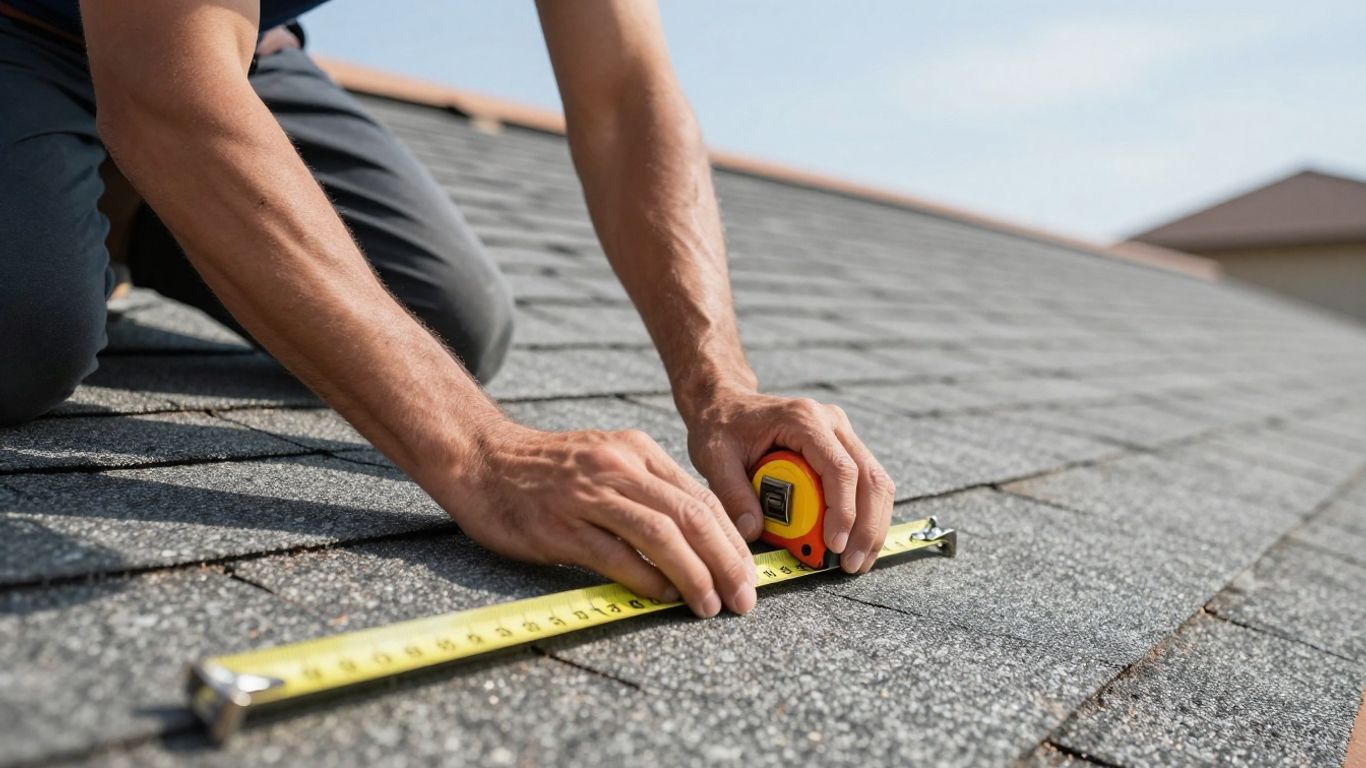
Finding the right roofing contractor is a big part of getting a quote that actually makes sense for your project. It’s not just about the lowest number; it’s about trust and knowing the work will be done right. Think of it like hiring someone to fix your car – you want someone who knows what they’re doing, not just someone who says they can do it cheap.
Assessing Local Experience and Reputation
When you’re looking for a roofer in Tulsa, you want someone who’s been around the block. A contractor with a solid history in the area likely knows the common problems Tulsa roofs face, like hail damage or intense summer heat. They’ve probably worked on homes similar to yours, too. Ask around, check online reviews, and see if they have a portfolio of local projects. A good reputation means they’ve likely done good work for your neighbors.
- Look for contractors who specialize in residential roofing in the Tulsa area.
- Check their reviews on Google, Yelp, or the Better Business Bureau.
- Ask for references from past clients and actually call them.
Verifying Licensing, Insurance, and Certifications
This is super important. A licensed and insured contractor protects you. Licensing means they’ve met certain state or local requirements to operate. Insurance, especially general liability and worker’s compensation, means if something goes wrong on your property – like a worker getting hurt or damage to your house – they’re covered. You shouldn’t have to pay for their mistakes or accidents. Certifications from manufacturers can also show they’re trained to install specific products correctly, which often ties into warranty coverage.
| Type of Verification | What it Means for You |
|---|---|
| Licensing | Contractor meets state/local standards for operating. |
| General Liability Insurance | Covers damage to your property caused by the contractor's work. |
| Worker's Comp Insurance | Covers injuries to the contractor's employees while working on your property. |
| Manufacturer Certifications | Shows contractor is trained on specific roofing products, often required for warranties. |
Understanding Communication and Documentation Practices
How a contractor talks to you and writes things down tells you a lot. Do they explain things clearly, or do they use a lot of confusing jargon? Do they answer your questions patiently? A good contractor will provide a detailed written estimate that breaks down everything – materials, labor, timelines, and any potential extra costs. They should be willing to show you photos of any damage found and explain why certain repairs are needed. Clear communication and thorough documentation are signs of a professional operation.
A contractor who takes the time to explain the process, document their findings, and provide a clear, itemized quote is usually one you can trust. It shows they respect your investment and want to avoid surprises down the road for both of you.
When you get a quote, make sure it includes:
- A detailed list of all materials to be used (brand, type, color).
- A clear breakdown of labor costs.
- Information about permits and who is responsible for obtaining them.
- Details on site cleanup after the job is done.
- Any warranty information for both materials and workmanship.
Tulsa-Specific Considerations for Roofing Quotes
When you're getting quotes for a new roof in Tulsa, it's not just about the shingles and the labor. You've got to think about what makes our area unique. Tulsa sits right in the heart of Tornado Alley, which means our roofs have to deal with some serious weather. We're talking about intense thunderstorms, damaging hail, and strong winds that can really do a number on your home. A contractor who knows this stuff inside and out will build your roof to handle it, using the right materials and installation techniques.
Impact of Local Weather Patterns on Roofs
Our weather here is no joke. Hailstorms are a regular headache, and even small stones can chip away at shingles, weakening them over time. Bigger hailstones? They can crack shingles right open, damage the stuff underneath, and let water in. Then there are the winds. Tulsa gets some fierce straight-line winds that can lift shingles right off, break the seals, and expose the nails. Once that happens, even a light rain can cause leaks. A good Tulsa roofer understands these threats and knows how to build a roof that can stand up to them. They'll pay attention to things like proper nailing patterns and using the right kind of starter strips to keep everything locked down.
Navigating Oklahoma Building Regulations
Oklahoma has its own set of rules for building, and that includes roofs. These regulations are in place to make sure your roof is safe and can handle our local conditions. This might involve specific requirements for wind resistance, fire ratings, and how flashing and ventilation are installed. A contractor who's familiar with these Oklahoma building codes will make sure your roof passes inspection and is built to last. They'll also handle the permit process for you, which saves you a lot of hassle and makes sure everything is done by the book.
Regional Differences in Labor and Material Costs
Just like anywhere else, the cost of roofing in Tulsa can vary. The price of materials, like different types of shingles or underlayment, can change based on what's available locally and demand. Labor costs are also a factor. Experienced local crews who know how to deal with Tulsa's specific weather challenges might charge a bit more, but it's often worth it for the peace of mind. You might see quotes that look different based on the contractor's overhead, their insurance costs, and how much they charge for things like waste disposal and site cleanup. It's important to see these costs laid out clearly in your estimate.
| Factor | How It Affects Cost | Tulsa Example |
|---|---|---|
| Pitch & Complexity | Increases labor and safety equipment needs | Steep roofs needing harnessing add hours |
| Accessibility | Requires lifts/scaffolding or extra protection | Narrow lots in older Tulsa neighborhoods can require manual hauling |
| Damage Extent | Structural repairs multiply labor and materials | Storm-related decking rot may require full-area replacement |
| Material Quality | Higher-grade materials raise upfront cost but extend life | Impact-resistant shingles offer better hail protection |
When getting quotes, don't just look at the bottom line. Think about what goes into that price. A slightly higher quote from a local company that understands Tulsa's weather and follows all the regulations might save you a lot of money and headaches down the road.
The Roofing Process and Its Effect on Quotes
Getting a roofing quote isn't just about picking a number out of thin air. There's a whole process behind it, and understanding these steps can really help you see why one quote might look different from another. It’s like baking a cake – you need the right ingredients and the right steps to get a good result. For roofers, this means a thorough inspection, clear communication, and a detailed plan before they can even think about giving you a final price.
Comprehensive Roof Inspection Procedures
Before any contractor can hand you a quote, they absolutely have to get up on your roof (or at least get a really good look at it). This isn't just a quick glance. A good inspection involves checking the shingles for damage, looking at the flashing around vents and chimneys, and even peeking into your attic to see if there are any signs of leaks or moisture. They'll be looking for things like cracked or missing shingles, damaged underlayment, or any rot in the decking. Sometimes, they might use tools like binoculars or even drones to get a closer look at hard-to-reach spots. The goal here is to figure out exactly what's wrong and how bad it is. This detailed look is what stops surprises later on.
Developing a Detailed Proposal and Scope of Work
Once the inspection is done, the roofer needs to translate those findings into a plan. This is where you get a detailed proposal, often called a scope of work. It should clearly lay out what needs to be done. Think of it like a blueprint for the repair or replacement. It will list the specific materials they plan to use, the steps involved in the installation, and any special considerations for your specific roof. This part is super important because it shows you exactly what you're paying for. A good proposal will break down costs for materials, labor, and even things like permits and cleanup.
Ensuring Reliable Scheduling and On-Time Completion
While not always directly in the initial quote, the contractor's ability to schedule and complete the work reliably plays a role in the overall cost and your peace of mind. A company that has a solid process for managing their crews and materials can often provide more accurate timelines and stick to them. This means less downtime for you and a smoother project. When you're getting quotes, it's worth asking about their typical project timelines and how they handle scheduling, especially if you have a specific timeframe in mind. A well-organized roofing company can often translate that efficiency into a more predictable and sometimes even a more cost-effective job.
The whole process, from the initial inspection to the final cleanup, is designed to be transparent. It's about making sure you understand what's happening with your home and why certain costs are associated with the work. A good contractor will walk you through each step, explain their findings, and present you with a clear plan before asking for your commitment.
Maximizing Value in Your Roofing Quotes
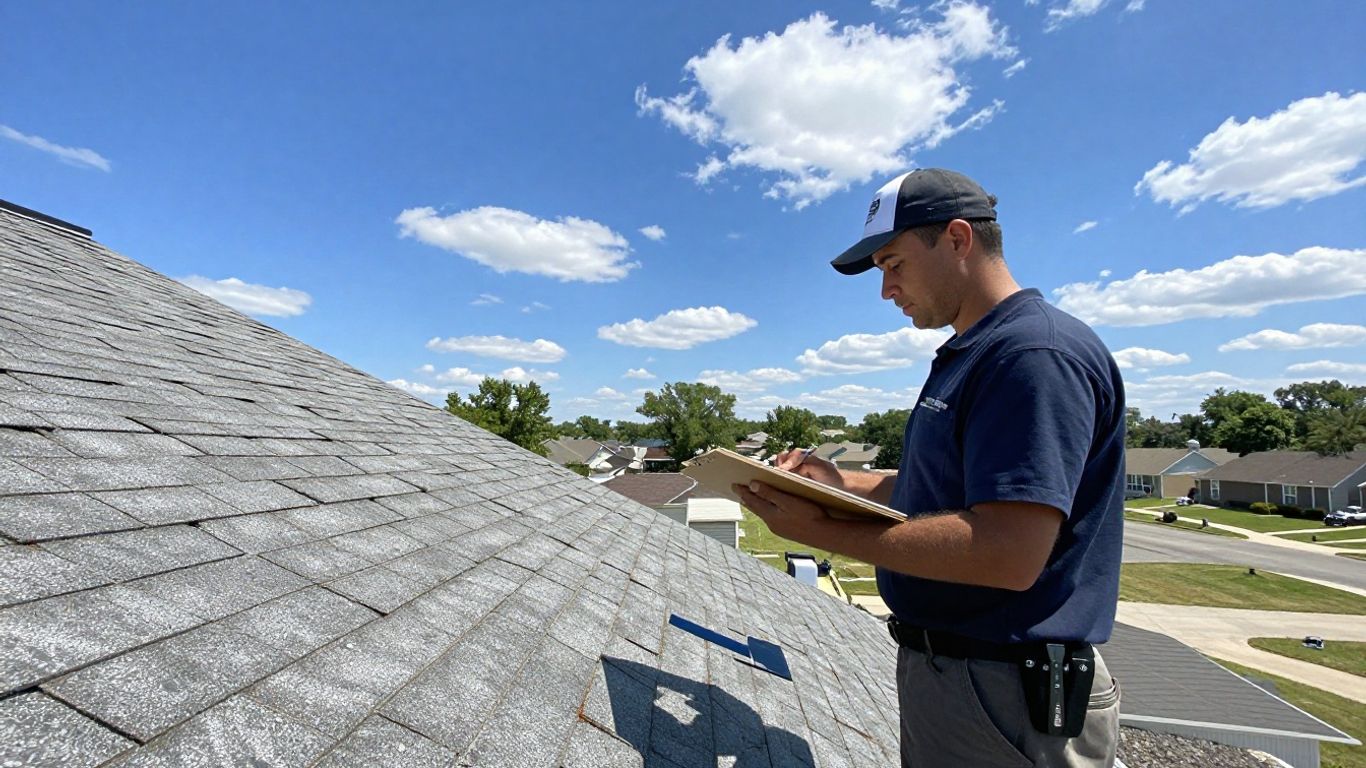
Getting a good deal on a new roof isn't just about finding the lowest price. It's about making sure you're getting the most bang for your buck over the long haul. This means looking beyond the initial number and really digging into what's included, what's not, and what you're getting for your money.
Comparing Roofing Material Options and Lifespans
When you're looking at quotes, you'll see different materials suggested. Each has its own price tag and how long it's expected to last. It's a trade-off, really. Cheaper materials might save you money now, but they could mean more repairs or an earlier replacement down the road. Higher-end materials cost more upfront, but they often last much longer and can handle Tulsa's weather better.
Here's a quick look at some common options:
- Asphalt Shingles: The most common choice. They're affordable and come in many styles. Basic 3-tab shingles might last 15-20 years, while architectural shingles can go 25-30 years or more.
- Metal Roofing: More expensive initially, but can last 50 years or longer. They're great for hail and wind.
- Tile Roofing: Very durable and long-lasting (50+ years), but heavy and costly. Best suited for certain home styles.
- Wood Shakes/Shingles: Offer a natural look but require more maintenance and have a shorter lifespan (20-30 years) compared to metal or tile, and can be a fire risk.
Think about how long you plan to stay in your home and what kind of maintenance you're willing to do. Sometimes, spending a bit more upfront saves you a lot of headaches and money later.
Understanding Warranty and Financing Options
Don't just look at the price; check out the warranties. A good contractor will offer a solid warranty on both the materials they use and their workmanship. This is your protection if something goes wrong.
- Material Warranty: This comes from the manufacturer of the shingles or other roofing products. It covers defects in the material itself.
- Workmanship Warranty: This is from the roofing company. It covers issues caused by improper installation.
Ask for details about what each warranty covers, how long it lasts, and what could void it. Some warranties are prorated, meaning their value decreases over time. Also, inquire about financing. Many companies offer payment plans or work with lenders, which can make a big roof replacement more manageable for your budget.
When Roof Replacement Is More Beneficial Than Repair
Sometimes, you might get a quote for repairs, but it's worth considering if a full replacement makes more sense. If your roof is old, has had multiple repairs, or has widespread damage (like from a big storm), patching it up might just be a temporary fix.
A roof that's over 20 years old, especially in a place like Tulsa with its harsh weather, is often nearing the end of its useful life. While repairs can address immediate leaks, they might not solve underlying issues. A full replacement, though a larger upfront cost, can provide peace of mind, better energy efficiency, and potentially increase your home's value, avoiding the cycle of repeated repairs.
If you're constantly calling for repairs, or if the damage affects a large portion of your roof, it's probably time to think about a full replacement. Getting quotes for both scenarios can help you make the best decision for your home and your wallet.
Wrapping Up Your Roofing Quote Journey
So, getting a roof quote in Tulsa doesn't have to be a headache. By understanding what goes into the price – from the shingles on your roof to the crew's time and those necessary permits – you're already ahead of the game. Remember to ask questions, compare apples to apples, and always look for that local experience. A good contractor will lay it all out clearly, making sure you know exactly what you're paying for and why. This way, you can feel confident you're making the right choice for your home and your budget right here in Tulsa.
Frequently Asked Questions
What things make a roofing quote cost more or less?
Several things affect the price of a roof job. The type of materials you pick, like basic asphalt shingles versus fancy metal, makes a big difference. How steep and complicated your roof is, and how easy it is for workers to get to, also plays a part. Plus, if there's a lot of damage or hidden problems, that adds to the cost. Good contractors might charge more because they do a better job and use quality materials.
What should I look for in a detailed roofing estimate?
A good estimate breaks down everything clearly. It should list the exact materials being used, how much they cost, and how many hours of work are expected. It's also important for the estimate to include costs for things like permits, cleaning up the work site, and the contractor's general business expenses (overhead). Seeing all these details helps you understand the total price and avoid surprise charges later.
How do I know if a roofing contractor is reliable?
To find a trustworthy roofer, check if they have a good reputation in Tulsa and if they've done work in your area before. Make sure they have the right licenses and insurance to protect you. Asking for references or looking at pictures of their past work can also tell you a lot about their quality and attention to detail.
Does Tulsa's weather affect roofing costs?
Yes, definitely! Oklahoma weather can be rough, with strong winds and hail. Roofs need to be built tough to handle this. Contractors know this and will use materials and methods that can withstand storms. This might make the initial cost a bit higher, but it saves you money and stress in the long run by preventing damage.
What's the usual process when getting a roof fixed or replaced?
First, a contractor will thoroughly inspect your roof, checking for any damage, even in the attic. Then, they'll give you a detailed plan (proposal) explaining what needs to be done and the cost. Once you agree, they'll schedule the work, get the materials, and start the job. They should keep you updated throughout the process and make sure the site is clean when they're done.
When is it better to replace my whole roof instead of just fixing it?
If a large part of your roof (like more than a quarter) is damaged, or if your roof is already quite old (15 years or more) and showing its age, it's usually smarter to get a whole new roof. Also, if you've had to fix the same spots multiple times recently, a full replacement is often the more cost-effective choice for long-term protection.