
Get Accurate Roof Area Estimates with Our Advanced Roof Area Estimator Tool
Get accurate roof area estimates with our advanced roof area estimator tool. Simplify calculations & save time.
Figuring out how much roofing material you need can feel like a puzzle. You've got angles, slopes, and all sorts of shapes to consider. Luckily, there are tools now that make this whole process way simpler. We're talking about roof area estimators, which are pretty neat for getting a handle on your project's scope before you even start. They help you get a clearer picture of what you're dealing with, saving you time and potential headaches down the road.
Key Takeaways
- A roof area estimator tool simplifies the process of calculating the square footage of a roof, which is vital for material and cost planning.
- These tools consider factors like roof shape, pitch, and complexity to provide more accurate measurements.
- Using a digital roof area estimator can help reduce material waste and improve budget clarity before hiring a contractor.
- Advanced estimators offer features like user-friendly input methods, mobile access, and integration with other project management tools.
- Combining online estimates with on-site inspections provides the most precise final quote for roofing projects.
Understanding How a Roof Area Estimator Works
Key Data Inputs for Accurate Results
Getting a good estimate starts with putting in the right information. Think of it like baking a cake – you need the correct ingredients in the right amounts. For roof estimates, this means details about the roof itself. The most basic input is the overall size, usually measured in square feet. But it's not just about the total area. The shape of the roof plays a big part too. Is it a simple rectangle, or does it have lots of angles, dormers, and valleys? Each of these adds complexity and affects how much material you'll need. The pitch, or how steep the roof is, is another important factor. A steeper roof often means more labor and safety precautions, which impacts cost. Some tools can even factor in things like the number of layers of old shingles that need to be removed, or the presence of skylights and vents.
- Roof Dimensions: Length, width, and any irregular shapes.
- Roof Pitch: The steepness of the slopes.
- Roof Complexity: Number of valleys, hips, dormers, and skylights.
- Existing Layers: How many layers of old roofing material need removal.
Types of Roofs Handled by Estimator Tools
Modern roof area estimators are pretty smart. They're not just for simple, flat roofs anymore. Most tools can handle a wide variety of roof designs you see on houses and buildings today. This includes common shapes like gable roofs (the ones with two sloping sides that meet at a ridge) and hip roofs (which slope down on all sides). They can also figure out more complex designs with multiple intersecting planes, like those found on older homes or custom builds. Even structures with different roof sections at different heights or angles can usually be accommodated. The goal is to provide a calculation that reflects the real-world complexity of the structure. Some advanced tools might even have specific modules for commercial roofing styles or unique architectural features.
Benefits of Using Digital Calculators
Using a digital roof area estimator offers a bunch of advantages over trying to do it all by hand or just guessing. For starters, it's way faster. You can get a solid estimate in minutes, not hours. This speed is a big help when you're trying to get quotes out quickly or plan your next steps. Accuracy is another major plus. These tools are designed to minimize errors that can happen with manual measurements, especially on complex roofs. This means you're less likely to order too much or too little material, which saves money and hassle. Plus, many digital calculators provide a clear breakdown of the estimate, showing you where the costs are coming from. This transparency is great for budgeting and understanding the project scope.
Digital tools take a lot of the guesswork out of the initial stages of a roofing project. They provide a structured way to input data and receive a calculated output, which is a big step up from relying solely on experience or rough sketches.
- Speed: Get estimates much faster than manual methods.
- Accuracy: Reduce errors from manual measurements and calculations.
- Cost Savings: Avoid over-ordering or under-ordering materials.
- Clarity: Understand the components of your estimate more easily.
Essential Features of an Advanced Roof Area Estimator
When you're looking for a tool to help with roof estimates, you don't want something that's going to be a headache to use. The best ones are designed to make your life easier, not harder. Think about how you'll actually be putting in the measurements. Some tools let you draw right on a map, which is pretty neat, while others just want you to type in numbers. Whatever works best for you is key.
User-Friendly Measurement Entry Methods
Getting the measurements into the system should be straightforward. You've got a few options here:
- Manual Input: Just typing in the length, width, and pitch for each section of the roof. Simple and direct.
- Interactive Map Drawing: Some advanced tools let you sketch the roof shape directly onto an aerial view or map. This can be really helpful for complex shapes.
- Importing Data: If you've already got measurements from a drone scan or another source, being able to import that data saves a ton of time.
The goal is to get accurate numbers into the system with as few steps as possible.
Integration with Project Management Apps
Your roof estimator shouldn't be a standalone gadget. It's way more useful if it can talk to other software you're already using. Imagine finishing an estimate and having it automatically pop into your project management system. That's the dream, right? This kind of connection means less double-entry and fewer mistakes. It helps keep everything organized, from the initial quote to the final invoice. Tools that connect with systems like Mr Task can really streamline your whole operation.
Mobile Accessibility and Real-Time Updates
Let's face it, most of us aren't sitting at a desk all day when we're on a job. Having an estimator that works on your phone or tablet is a game-changer. You can pull up an estimate on-site, make changes, or even start a new one right there. Plus, you want to know that the software is up-to-date. Material prices change, and new features are always being added. Getting regular updates means your tool stays accurate and competitive. It's like having the latest information at your fingertips, no matter where you are.
The best digital tools are the ones that adapt to how you work, not the other way around. They should simplify complex tasks and give you confidence in your numbers, whether you're in the office or out in the field.
Factors That Influence Your Roof Area Estimate
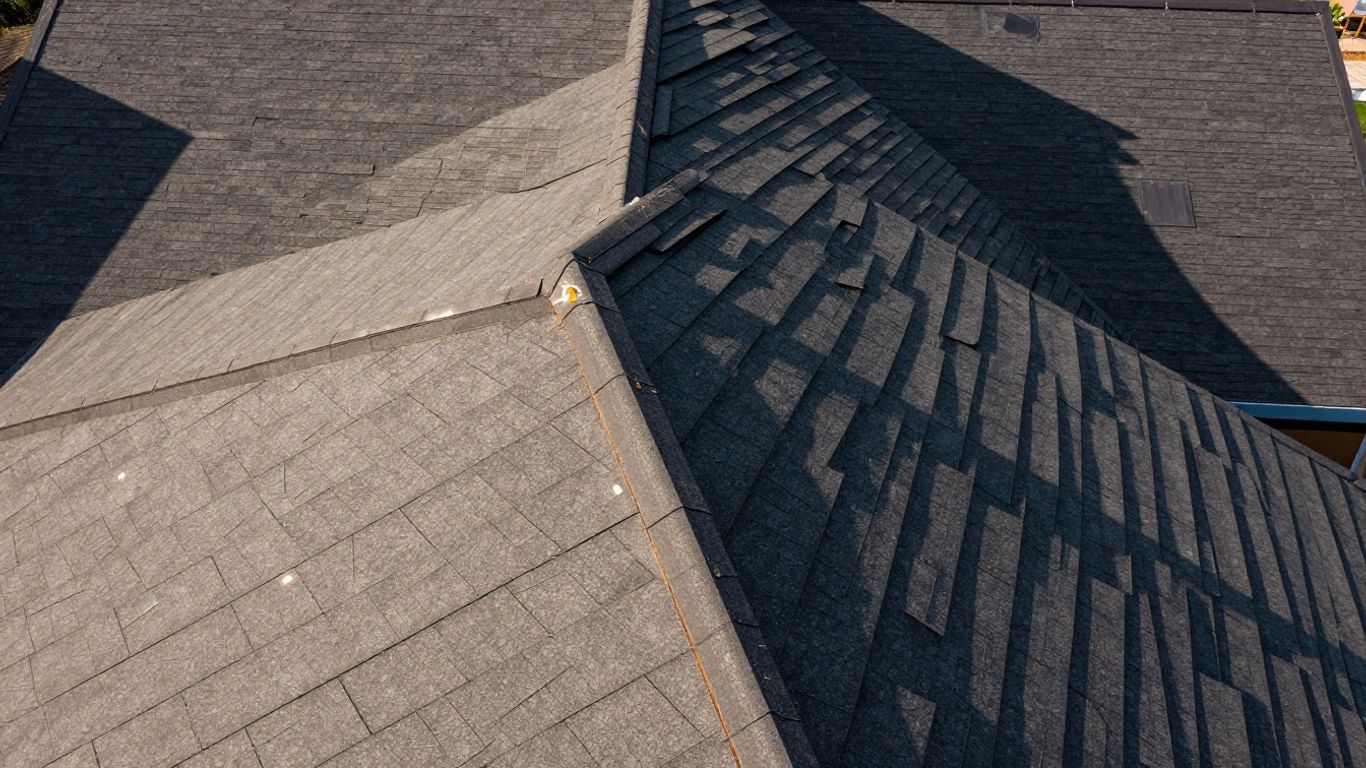
So, you're trying to figure out how much roofing work you'll need done, and maybe how much it'll cost. It's not just about the total square footage, though that's a big part of it. A lot of other things can really change the numbers. Think of it like baking a cake – the size of the pan matters, but so do the ingredients and how complicated the recipe is.
Impact of Roof Shape and Complexity
Roofs aren't always just simple rectangles or squares. The more angles, corners, and bumps a roof has, the more complicated it gets. Things like dormers (those little window-like structures sticking out of the roof), valleys (where two roof slopes meet), and hips (where slopes angle outwards) all add extra work. More complex shapes mean more cuts, more waste, and more time spent by the crew. It's like trying to tile a bathroom floor with a lot of weird corners versus a plain square room.
Role of Roof Pitch and Steepness
How steep is your roof? A low-slope roof is pretty easy to walk on and work on. But a steep roof? That's a whole different story. Working on a steep pitch means the crew needs extra safety gear, like harnesses and scaffolding, which takes time to set up and use. Plus, it's just slower and more dangerous to move around. So, a steeper roof usually means higher labor costs, even if the actual area is the same as a flatter roof.
Here's a quick look at how pitch can affect things:
| Pitch Description | Typical Slope | Complexity Factor |
|---|---|---|
| Low Slope | 2:12 to 4:12 | Low |
| Standard Slope | 4:12 to 9:12 | Medium |
| Steep Slope | 9:12 and above | High |
Effect of Multiple Layers and Accessories
Sometimes, when roofs are replaced, old shingles aren't completely removed. If there's more than one layer of old shingles, that all has to be torn off and hauled away before the new stuff can go on. This tear-off process adds significant time and labor to the job. Also, think about all the little bits and pieces that go on a roof: vents, skylights, chimneys, flashing around edges. Each of these needs special attention and materials, adding to the overall complexity and material needs of the project.
When you're getting an estimate, make sure the person is looking at all these details. A simple square footage number won't tell you the whole story. The shape, how steep it is, and all those extra features really add up and can change the final price quite a bit. It's worth asking about these specific factors when you talk to someone about your roof.
Material and Cost Calculations with a Roof Area Estimator
Once you've got a handle on the roof's dimensions, the next logical step is figuring out what materials you'll need and how much it's all going to cost. This is where a good roof area estimator really shines.
Accurate Material Requirement Assessment
Getting the material quantities right is a big deal. Too little, and you're making extra trips to the store, holding up the job. Too much, and you're wasting money and materials. An advanced estimator takes your roof measurements and breaks down exactly how much of everything you need. We're talking shingles, underlayment, flashing, maybe even drip edge. It's not just about the total square footage; it accounts for waste from cuts and overlaps, which is super important.
- Shingles: Calculates the number of bundles or squares needed.
- Underlayment: Determines the rolls or sheets required.
- Flashing: Estimates linear feet for valleys, rakes, and eaves.
- Fasteners: Provides an idea of nail quantities.
Estimating Labor and Installation Costs
Beyond just the physical stuff, you've got labor. This can be tricky because it depends on a lot of things – how steep the roof is, how complex the shape is, and even where you are. A good estimator tool will factor in these variables. It might use regional averages for labor rates and then adjust based on the specifics of your roof. This helps you get a more realistic picture of the total project expense.
Estimating labor costs involves more than just multiplying hours by a rate. It needs to consider the difficulty of the job, accessibility, and any potential complications that might arise during installation. Advanced tools try to account for these factors to give you a better ballpark figure.
Transparent Cost Breakdowns for Projects
What's really helpful is when the estimator doesn't just give you one big number. It should break down the costs so you can see where the money is going. You want to know how much is for materials, how much is for labor, and if there are any other associated costs. This kind of transparency is key for budget planning and makes it easier to compare different quotes if you decide to get them.
Here’s a sample breakdown you might see:
| Category | Estimated Cost |
|---|---|
| Shingles | $1,200 |
| Underlayment | $300 |
| Flashing | $250 |
| Labor | $2,500 |
| Miscellaneous | $150 |
| Total | $4,400 |
Leveraging Online and In-Person Roof Measurements
Online Estimation for Quick Budget Planning
Getting a handle on your roofing project costs before you even talk to a contractor is a smart move. Online tools let you plug in some basic info about your roof, and bam – you get a ballpark figure. This isn't your final price, mind you, but it's super helpful for figuring out if you're in the right budget zone. Think of it as your first step in getting a feel for what’s involved. It saves you time because you don't need to schedule anyone to come out just for an initial estimate. Plus, it gives you a baseline so you know what to expect when you start getting quotes from different companies.
On-Site Inspections for Final Accuracy
While online tools are great for a quick look, nothing beats a real person on your roof. An on-site inspection is where the details really get ironed out. A professional can spot things you might miss, like any hidden damage under the shingles, check out the ventilation system, and make sure all the flashing is in good shape. This is the part that turns that initial online estimate into a solid, final quote. It’s all about making sure there are no surprises down the road.
Benefits of Combining Both Methods
Using both online estimation and an in-person inspection is the best way to go. You start with the online tool to get a general idea of costs and see if it fits your budget. This way, you're not wasting anyone's time if the numbers are way off. Then, you bring in a professional for an on-site check. They confirm the measurements, check the roof's condition, and give you the exact price. This combo approach means you're informed, prepared, and less likely to run into unexpected expenses.
Here's a quick look at how the two methods stack up:
| Feature | Online Estimate (Initial) | On-Site Inspection (Final) |
|---|---|---|
| Speed | Very Fast | Slower, but thorough |
| Detail Level | General | Specific and detailed |
| Accuracy | Good for budgeting | Precise for final quote |
| Hidden Issues | Cannot detect | Can identify |
| Appointment Needed | No | Yes |
Combining these methods gives you a powerful advantage. You get the speed and initial cost insight from online tools, followed by the certainty and detail of a physical inspection. This dual approach ensures you're making decisions based on solid information, from your first budget thoughts right through to the final contract.
Advantages of Using a Roof Area Estimator Before Hiring a Contractor
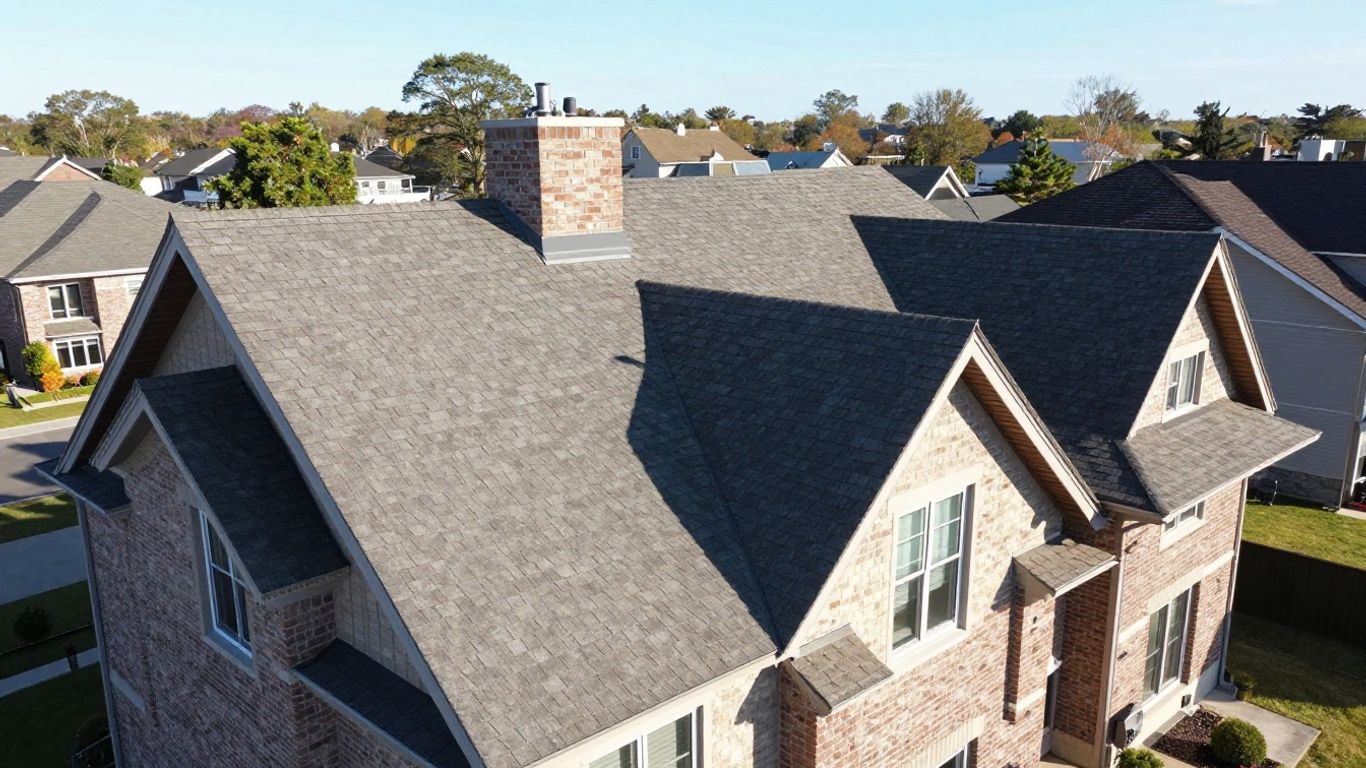
So, you're thinking about getting a new roof. It's a big job, and honestly, it can be a bit overwhelming trying to figure out who to hire and what it's all going to cost. Before you even pick up the phone to call a contractor, doing a little homework with a roof area estimator tool can make a world of difference. It's like having a cheat sheet for your own house.
Gain Budget Clarity and Avoid Surprises
Getting a ballpark figure before talking to anyone means you won't be blindsided by wildly different quotes. You'll have a much better idea of what a fair price looks like. This initial estimate helps you set a realistic budget right from the start, so you know what you can afford before you get too far down the road. It stops those awkward moments where a contractor gives you a price that's way out of your league.
Save Time Comparing Multiple Quotes
When you have your own estimate in hand, you can quickly weed out contractors who are way over or under the expected price. This saves you from wasting time on sales pitches that are never going to work out. You can focus your energy on the companies that seem to be in the right ballpark.
- Initial Estimate: Use the tool to get a rough idea of your roof's square footage and potential material costs.
- Contractor Quotes: Compare the contractor's bid against your estimate.
- Informed Decisions: Identify quotes that are significantly higher or lower, prompting further investigation or dismissal.
Empower Yourself in Contractor Decisions
Knowing the approximate cost and material needs puts you in a stronger position when you talk to contractors. You can ask more informed questions and understand their proposals better. It's not about trying to outsmart them, but about being an educated homeowner who knows what to expect. This confidence helps you choose the right professional for the job, rather than just picking the first person who shows up.
Walking into a contractor's office with your own preliminary estimate is like going to the grocery store with a list. You know what you need, you have an idea of how much it should cost, and you're less likely to impulse buy or get upsold on things you don't really need. It's about being prepared and making smart choices for your home.
Enhancing Efficiency and Reducing Waste in Roofing Projects
When you're running a roofing business, every bit of efficiency counts. And let's be honest, nobody likes throwing away good materials or spending extra money because of a bad estimate. That's where a good roof area estimator really shines. It's not just about getting a number; it's about making your whole operation run smoother and making more money.
Optimizing Resource Management
Think about it: if you know exactly how many bundles of shingles you need, down to the last square foot, you're not going to over-order. This means less money tied up in inventory sitting around and less chance of materials getting damaged before they're used. It also helps with scheduling your deliveries so everything arrives just when you need it, avoiding delays that can cost you time and money.
- Precise material ordering: No more guessing games with quantities.
- Streamlined delivery schedules: Get materials when they're needed, not too early or too late.
- Better labor allocation: Knowing the exact scope helps you schedule your crews more effectively.
Reducing Material Waste with Precise Estimates
This is a big one. Old-school estimating often involved adding a generous buffer for
Wrapping It Up
So, there you have it. Using a tool like our roof area estimator can really make a difference. It takes a lot of the guesswork out of figuring out how much material you'll need, which means less waste and, honestly, less money spent. Plus, it helps you get those quotes out faster, which is always a good thing in this business. It's not about replacing the pros, but about giving you a solid starting point so you can be more confident and efficient. Give it a try and see how much smoother things can get.
Frequently Asked Questions
How does a roof area estimator tool actually work?
These tools are pretty smart! You usually give them some basic info, like your home's address or some simple measurements. Then, they use technology, like satellite images, and some math to figure out how big your roof is. It's like a digital helper that quickly calculates the total square footage of your roof.
What kind of roofs can these tools measure?
Most of these tools can handle all sorts of roofs, from simple ones to more complicated shapes. They're good at figuring out areas for basic shapes like gable roofs, and often can handle hip roofs too. If your roof has lots of tricky angles or is super steep, they give a good starting point, but sometimes you might need a closer look.
Why is it good to use a roof estimator before talking to a contractor?
Using an estimator first is like doing your homework! It gives you a good idea of how much the job might cost, so you know what to expect. This helps you avoid surprises and makes it easier to compare prices from different contractors. You'll feel more confident when you talk to them because you'll already have some numbers in mind.
Can I get an accurate estimate for materials and costs?
Yes, that's one of the best parts! Once the tool knows your roof's area, it can help figure out how much material, like shingles, you'll need. Some tools can even give you a rough idea of labor costs. This means you can order just the right amount of stuff, which saves money and cuts down on leftover materials.
Is an online estimate as good as an in-person one?
An online estimate is great for getting a quick idea and planning your budget. It's super fast! But for the most exact numbers, especially for things like hidden damage or the exact condition of your roof, an in-person inspection by a professional is still the best way to go. It's like using the online tool to get started, and then having an expert confirm everything.
How do things like roof shape and how steep it is affect the estimate?
They make a big difference! A roof that's really steep or has lots of corners, valleys, and dormers takes more time and effort to work on. It also means more material might be needed because of cuts and waste. So, a more complex or steeper roof will usually cost more than a simple, flat one.